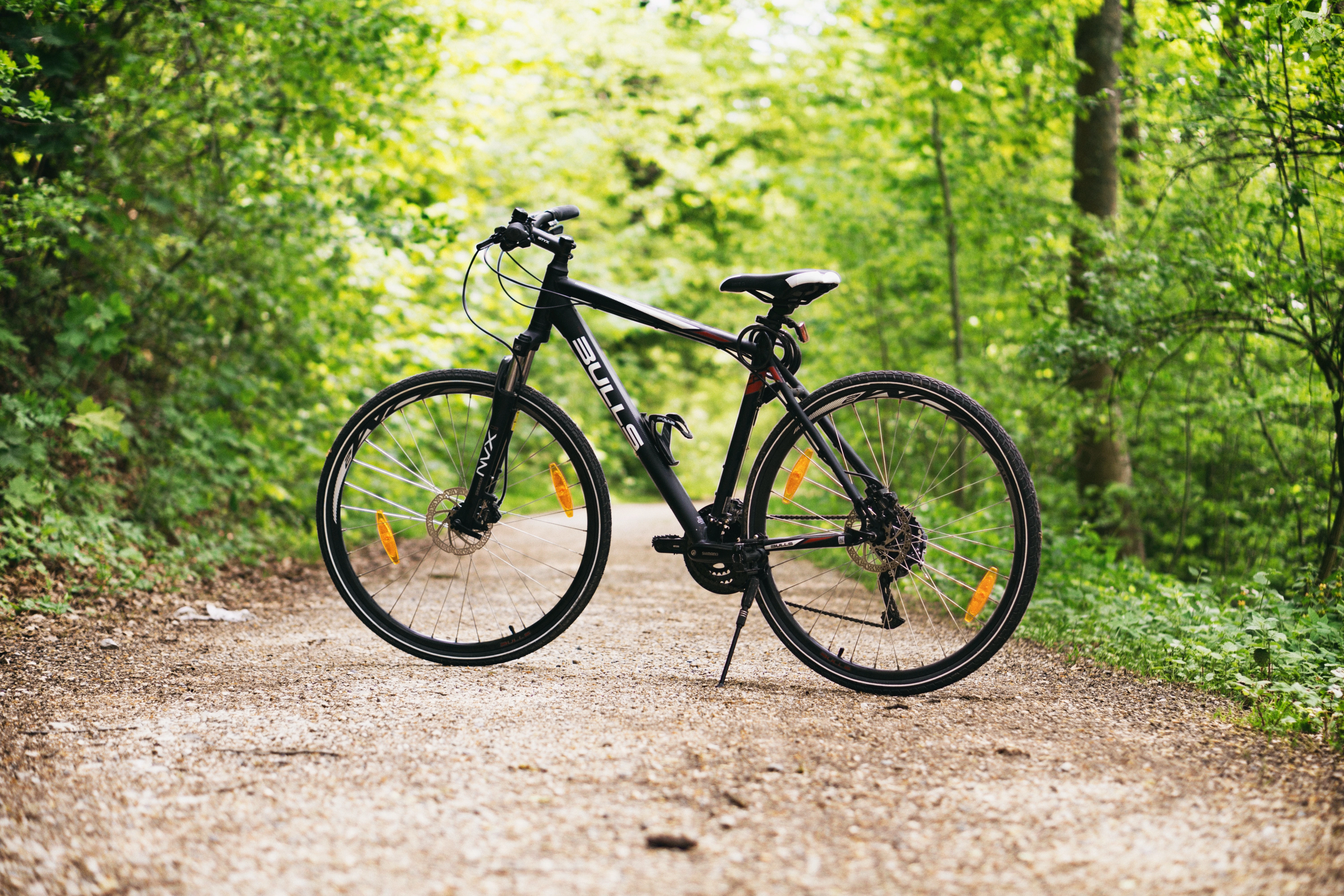
The Pros and Cons of Different Types of Bicycles: From Road Bikes to Mountain Bikes and More




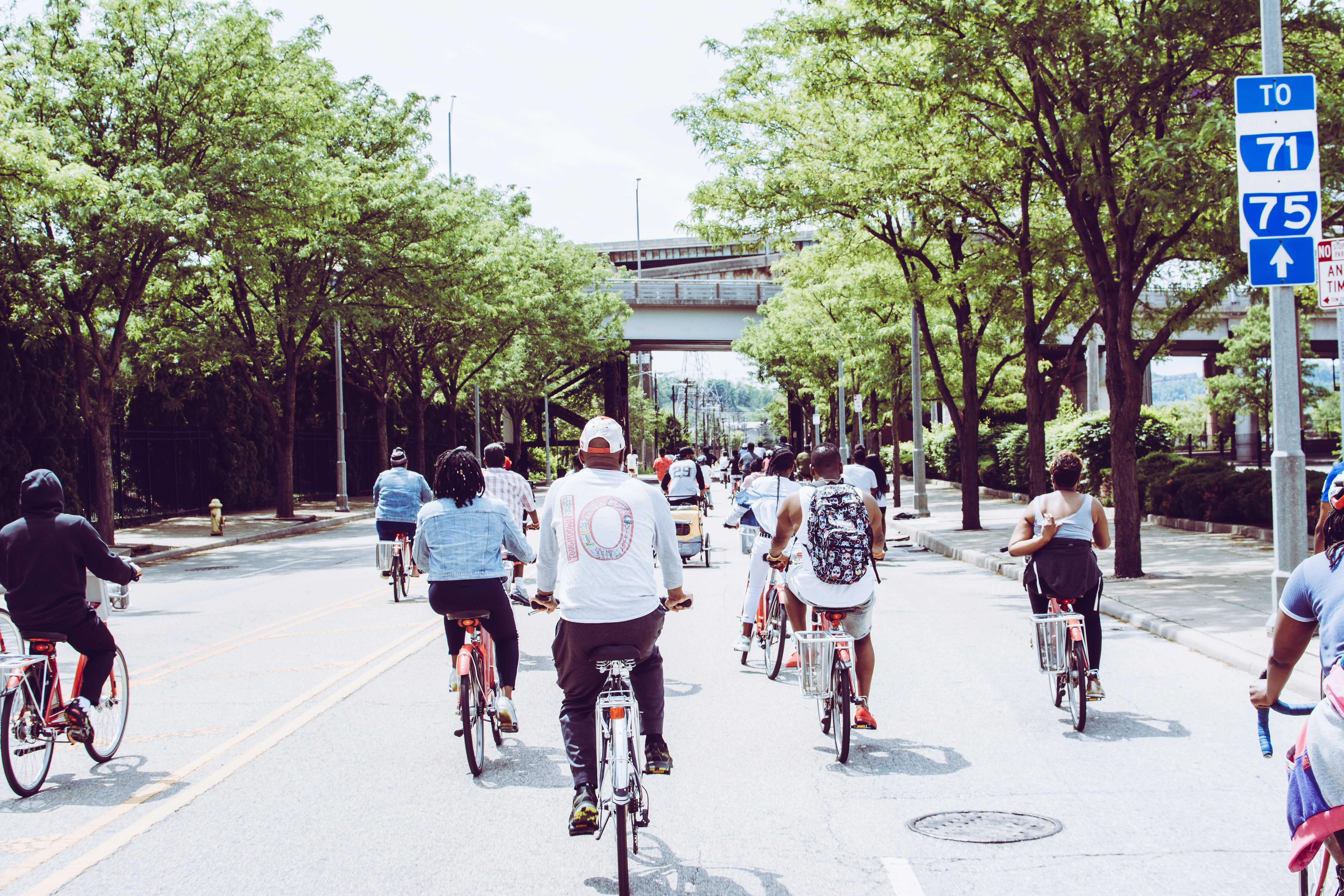
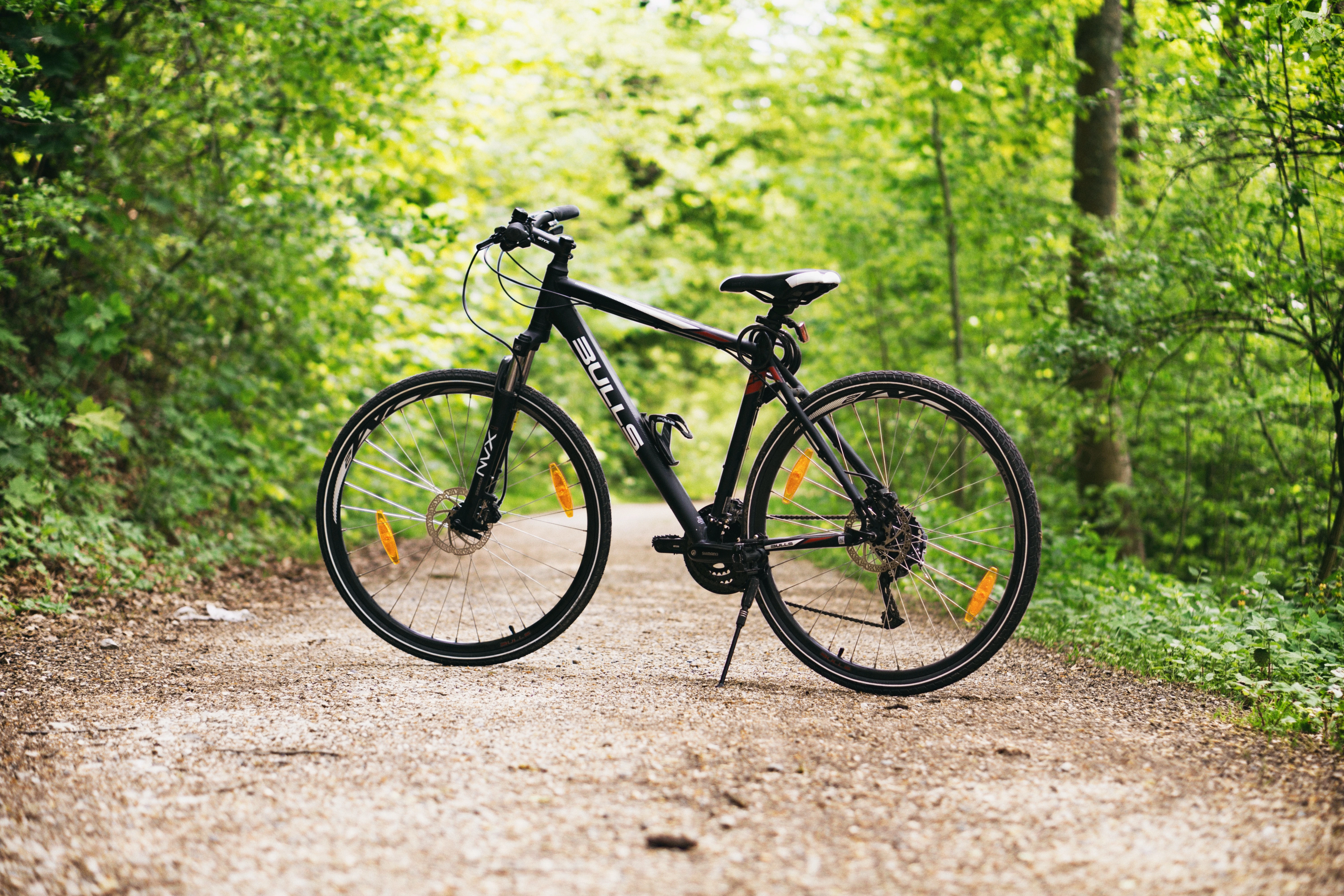
Bicycles are an incredibly versatile mode of transportation and exercise. They come in various types, each with its own set of benefits and drawbacks. In this article, we'll take a closer look at the different types of bicycles available, including road bikes, mountain bikes, hybrid bikes, and more. We'll discuss the pros and cons of each type, so you can make an informed decision about which one is right for you.
Road Bikes
Road bikes are designed for speed and efficiency on smooth, paved surfaces. They typically have narrow tires, drop handlebars, and lightweight frames.
Pros of Road Bikes
Speed: Road bikes are built for speed, with a lightweight frame and aerodynamic design that allows for maximum efficiency.
Efficiency: Road bikes are also very efficient, requiring less effort to ride compared to other types of bicycles.
Versatility: Road bikes are suitable for a wide range of activities, from racing to commuting.
Cons of Road Bikes
Comfort: Road bikes are not known for their comfort, with a stiff frame and aggressive riding position that can be uncomfortable for some riders.
Price: Road bikes can be expensive, with high-end models costing thousands of dollars.
Durability: Road bikes are not designed for rough terrain and can be easily damaged on unpaved roads or trails.
Mountain Bikes
Mountain bikes are designed for off-road riding, with wider tires, suspension systems, and sturdy frames that can handle rough terrain.
Pros of Mountain Bikes
Durability: Mountain bikes are built to handle rough terrain and can withstand more punishment than other types of bicycles.
Versatility: Mountain bikes are suitable for a wide range of activities, from off-road riding to commuting.
Comfort: Mountain bikes typically have a more relaxed riding position and suspension system, making them more comfortable on rough terrain.
Cons of Mountain Bikes
Weight: Mountain bikes are typically heavier than other types of bicycles, which can make them less efficient on paved surfaces.
Cost: Mountain bikes can be expensive, especially high-end models with advanced suspension systems and other features.
Maintenance: Mountain bikes require more maintenance than other types of bicycles, with suspension systems and other components requiring regular attention.
Hybrid Bikes
Hybrid bikes are designed to combine the best elements of road bikes and mountain bikes, with a lightweight frame and wider tires that can handle both paved and unpaved surfaces.
Pros of Hybrid Bikes
Versatility: Hybrid bikes are suitable for a wide range of activities, from commuting to light off-road riding.
Comfort: Hybrid bikes typically have a more relaxed riding position and wider tires, making them more comfortable than road bikes on rough terrain.
Pros of Hybrid Bikes
Versatility: Hybrid bikes are suitable for a wide range of activities, from commuting to light off-road riding.
Comfort: Hybrid bikes typically have a more relaxed riding position and wider tires, making them more comfortable than road bikes on rough terrain.
Pros of Hybrid Bikes
Speed: Hybrid bikes are not as fast as road bikes, with wider tires and a more relaxed riding position that can slow you down on smooth, paved surfaces.
Limited off-road capabilities: While hybrid bikes can handle light off-road riding, they are not as capable as dedicated mountain bikes on rough terrain.
Weight: Hybrid bikes can be heavier than road bikes, making them less efficient on paved surfaces.
Electric Bikes
Electric bikes, or e-bikes, are bicycles with an electric motor that provides pedal assistance. They come in various types, from mountain bikes to road bikes and more.
Pros of Electric Bikes
Pedal assistance: Electric bikes provide pedal assistance, which can make cycling easier and less tiring.
Versatility: Electric bikes come in various types, from road bikes to mountain bikes, and can be used for a wide range of activities.
Speed: Electric bikes can help you maintain higher speeds, especially on hills or in headwinds.
Cons of Electric Bikes
Price: Electric bikes can be expensive, with high-end models costing thousands of dollars.
Weight: Electric bikes can be heavier than other types of bicycles, which can make them less efficient on paved surfaces.
Maintenance: Electric bikes require more maintenance than regular bicycles, with batteries and other components requiring regular attention.
Conclusion
Choosing the right type of bicycle can greatly impact your riding experience, whether you're commuting to work, exploring off-road trails, or training for a long-distance race. Each type of bicycle has its own unique set of pros and cons, from the speed and efficiency of road bikes to the versatility and control of mountain bikes. By considering your specific needs and preferences, you can find the perfect bicycle to suit your lifestyle and goals.
FAQs:
Q: Are hybrid bikes good for commuting?
A: Electric bikes require more maintenance than regular bicycles, with batteries and other components requiring regular attention.
Q: Can mountain bikes be used for road riding?
A: Yes, mountain bikes can handle road riding, but they may be less efficient than road bikes due to their wider tires and heavier weight.
Q: Are road bikes faster than other types of bicycles? Cons of Mountain Bikes
A: Yes, road bikes are designed for speed and efficiency, with lightweight frames, narrow tires, and a low riding position that can help riders achieve high speeds.
Q: Are high-end bicycles worth the investment?
A: It depends on your specific needs and goals. High-end bicycles can offer advanced features and technology that can improve performance, but they may also come with a high price tag. It's important to consider your budget and priorities before making a decision.